
How Early Movement Shapes Your Baby’s Brain

From the moment a baby is born, their brain is developing at an extraordinary rate.
During the early months and years of life, millions of connections are forming within the nervous system. These connections help organise movement, balance, coordination, emotional regulation and learning.
One of the most powerful drivers of this development is movement.
Every time a baby kicks, stretches, rolls or reaches for something, their brain receives valuable information from the body.
Learning Through Movement
Babies learn about their bodies and their environment through movement.

Simple actions like turning the head, pushing up during tummy time or reaching for a toy send signals to the brain that help build coordination and body awareness.
These early movements also help develop the muscles of the neck, shoulders and trunk, which are important for later milestones such as crawling, sitting and walking.
Floor play, tummy time and opportunities for free movement give babies the sensory experiences they need for healthy development.
The Nervous System and Regulation

In the early stages of life, a baby’s nervous system is still learning how to regulate itself.
Babies rely heavily on caregivers for co-regulation.
Supporting Comfortable Movement
Comfortable movement is an important part of early development.
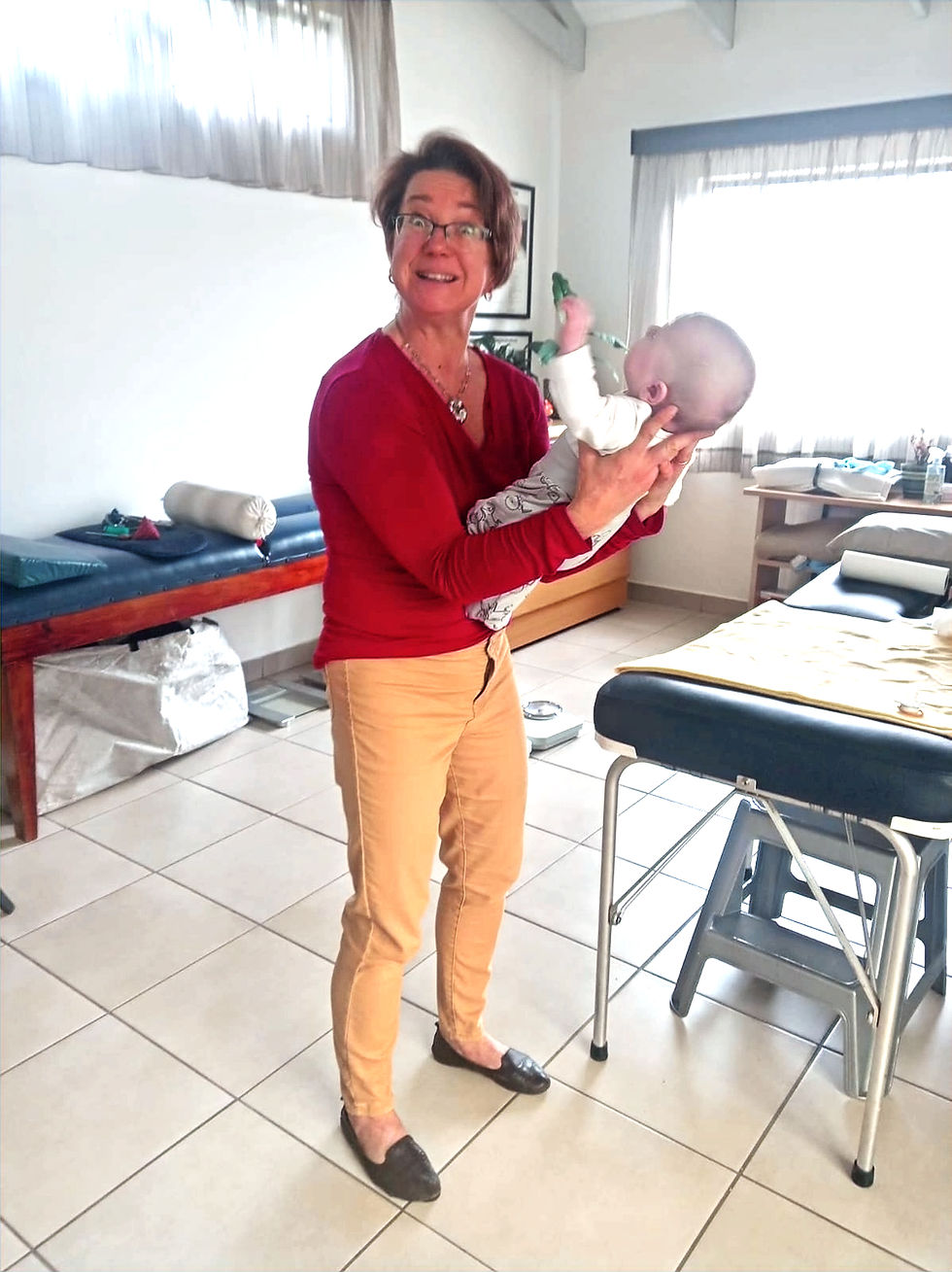
Sometimes babies experience tension in their bodies after birth or during the early months. This may make certain movements more difficult or uncomfortable.
Paediatric chiropractic care focuses on supporting healthy movement and nervous system communication. When working with babies, chiropractors use extremely gentle techniques designed specifically for infants.
The goal is not to force development, but to support the body’s natural ability to move, explore and grow.
Creating a Supportive Environment for Development
Parents often ask what they can do to support their baby’s development.
Fortunately, many of the most powerful influences are simple and natural:
• time for free movement on the floor
• regular tummy time
• gentle touch and connection
• calm daily rhythms
• responsive caregiving
These experiences provide the sensory input that helps the brain organise and develop.
A Gentle Closing Thought
The human body is wonderfully designed for growth, adaptation and healing. From the earliest stages of life, the brain and body are constantly communicating through the nervous system.
Chiropractic care focuses on supporting this communication by encouraging comfortable movement and helping the nervous system function as smoothly as possible.
When babies and parents experience greater ease in the body, the environment for growth and development becomes more supportive.
Health grows through connection, rhythm and support. Small experiences of care and comfort can make a meaningful difference over time.


